Uncategorized

Sports Bra 101: Running and Beyond

A recent study1 reported, “9.5 million women in the UK are not supporting their breasts properly when they run.” That stat does not shock me at all, especially when we want to look cute, fashionable 😊

Why wear a sports bra?

If you want to help keep those breasts healthy, then wear a sports bra that fits! Research shows that on average, a woman’s breast moves 9.08cm with every stride when running. The average breast weighs between 250 and 300g and any unsupported movement (ie: Running) and causes three-dimensional movement: up-down, in-out, and side-to-side.

This can result in discomfort, chafing and strain on the breasts’ supportive tissue, called the Cooper’s ligaments, which can eventually lead to sagging if not supported. Once stretched, the Cooper’s ligaments cannot revert back to their original position, so it’s important to support your breasts, no matter how far you’re running.

What size running sports bra should I buy?

If you have never worn a sports bra before, start with your usual bra size but be open to trying on different sizes before you find the perfect fit. Different bras will fit differently, so try a few before finding your perfect brand. There are sports bra brands that you can buy according to YOUR size and most specialty running stores carry that brand, such as Moving Comfort, and offer a proper fitting to size you!

How should a sports bra fit?

The first sign that you’ve got the right size when it comes to sports bras is the back band is at the same level all the way round. If it rides up, it’s too big. Your sports bra should fit snugly, but not be too tight that you can’t breathe and you should be able to get no more than one finger under the band or in the cup. And you should NEVER have to wear 2 Sports bras to keep you supported contrary to what you may have heard, seen, or tried yourself. Further, the bra you wear for yoga is not the same bra you should wear for running. There are different bras offer different levels of support. The type you need will depend on your cup size and the type of exercise you do.

1. Low-impact sports bras, used for stretching or walking, are often cut like a crop-top and are, on the whole, made from thinner material.

2. Medium-impact sports bras are a mix between the two, these can sometimes be used for running, but are often not suited to larger-breasted women.

3. High-impact bras (for running) generally use less stretchy material, include supportive seams and overlays and are sometimes even underwired for larger breasts.

How long does a sports bra last?

Just like your running shoes, a sports bra has a termination life too! You’ll need to replace your sports bra every few months, or after around 30-40 washes. As a rule of thumb – you will need three new bras for every one pair of running shoes. The technical fabric of your sports bra will wear in the washing cycle, and its elasticity will diminish during use. To prolong the life of your sports bra, try not to tumble dry it: the heat will destroy the fabric on your bra!
Uncategorized

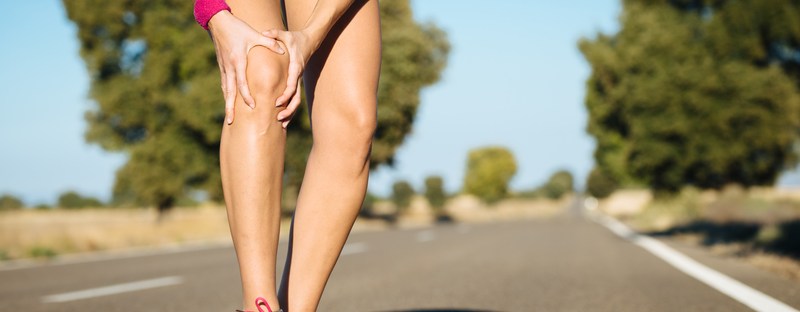
PATELLOFEMORAL PAIN SYNDROME (Runners Knee)

What is Patellofemoral Pain Syndrome?

It is pain in the anterior knee at or below the patella caused when the kneecap is tracking wrong on the femur. This leads to the wearing away and cracking of the cartilage under the kneecap. You may experience the following symptoms: deep ache under the kneecap, worse when ascending and descending stairs, worse with downhill running, stiffness after prolonged sitting with the knee bent.

Causes?

There are several things that can make you more susceptible to iliotibial band syndrome. The following would/could contribute to the injury:

  1. Direct traumatic injury
  2. Imbalance of strength within the quadriceps (Vastus Medialis strength needed to help track the patella correctly)
  3. Repetitive stress (wear and tear)

Treatment
In order to combat the pain and train properly, treating the cause of the problem is important. You may have to try multiple modalities until you find the culprit!

  1. Ice
  2. Correct the muscle imbalance
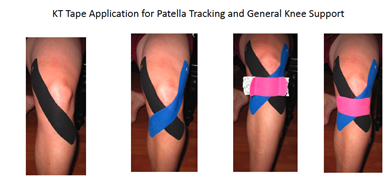
  3. Tape the knee cap (see diagram below)
  4. Stretch

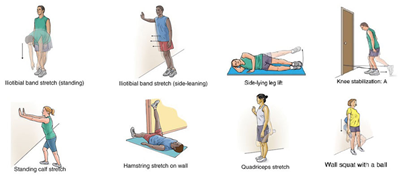
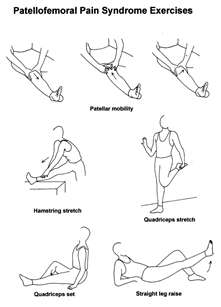
Exercises for Patellofemoral Pain


Stretches = 3 sets, 20-30sec hold; For Strength = 2=3 sets, 12-15reps ; 3 times a week
This is how to tape yourself using KT Tape, or grab an Athletic Trainer, like myself, to tape your knee if possible!
Uncategorized

ILIOTIBIAL BAND SYNDROME

What is Iliotibial Band Syndrome?

It is pain and inflammation on the outside of the knee. The IT band is a fibrous band on the outside of the thigh- when it becomes tight it results in a friction syndrome by rubbing against the femur as it runs along the knee joint or hip joint. The symptoms you experience are usually sharp pain on the outside of the knee and/or progressively worse pain throughout a run.

Causes?

 There are several things that can make you more susceptible to iliotibial band syndrome. The following would/could contribute to the injury:

  1. Weakness of the quadriceps and hip lateral rotators, and probably weakness of the gluteus maximus
  2. Bowed legs
  3. Uncorrected overpronation,
  4. Leg length discrepancy
  5. Hard downhill running
  6. Excessive speed work
  7. Running on banked surfaces

Treatment

In order to combat the pain and train properly, treating the cause of the problem is important. You may have to try multiple modalities until you find the culprit!

  1. Rest and ice
  2. Stretching
  3. Switch to softer surfaces
  4. Shoes with ample heel support and rearfoot cushioning
  5. Strengthening the quadriceps, hip lateral rotators, and gluteus maximus
  6. Stretching the IT Band, quads, and hip rotators, as well as gluteus maximus

Exercises for Iliotibial Band Syndrome

Stretches = 3 sets, 20-30 sec hold; For Strength = 2=3 sets, 12-15 reps

Uncategorized

PLANTAR FASCIITIS

What is Plantar Fasciitis?

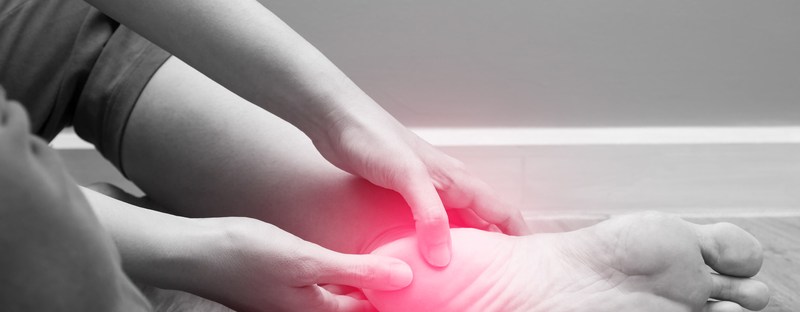
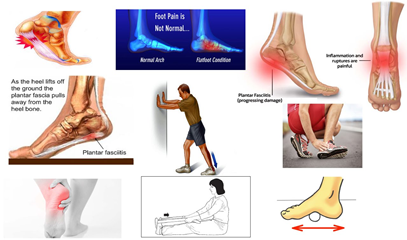
Inflammation of the plantar fascia which is a thick, fibrous band of tissue in the bottom of the foot which runs from the heel to the base of the toes. The symptom(s) you may feel is pain and local tenderness beginning at the heel and radiating to the arch, heel pain on the first couple of steps of the day, and/or pain at the beginning of a run but better at the end of the run.

Causes?

There are several things that can cause this condition. The following would/could contribute to the injury:

  1. Inflexible calf muscles
  2. A tight Achilles tendon,
  3. Uncorrected overpronation
  4. Overtraining
  5. Hard surfaces for training
  6. High arches

Treatment

In order to combat the pain and train properly, treating the cause of the problem is important, just like any other injury. The following can be tried one at a time to find the true culprit!

  1. Ice massage
  2. Custom orthotics and/or running shoes fit for your foot
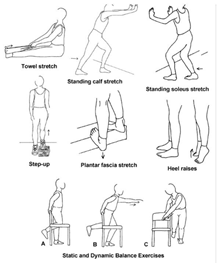
  3. Stretching the calf
  4. Wearing a night splint ( I love the Strassburg Sock for this one instead of a bulky boot)

Exercises for Plantar Fasciitis

  1. Roll a golf ball or frozen 20oz water bottle before bed on bottom of foot for 20-30 seconds, 3 reps – I like placing mine in freezer to make it cold for the inflammation
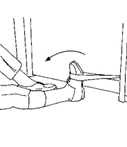
  2. Stretch the bottom of the foot 20-30 seconds, 3-4 reps each morning and evening
Injury Prevention

Achilles Tendonitis

What is Achilles Tendonitis?

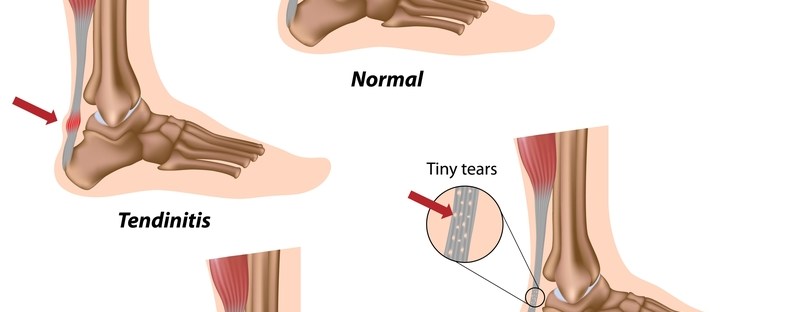
Inflammation of the Achilles Tendon which connects the two major calf muscles to the back of the heel bone. Under too much stress the tendon tightens up and is forced to work too hard and, thus, becomes inflamed. The symptoms you experience may be pain along the back of the tendon- usually close to the heel- limited ankle flexibility, a lumpy build-up of scar tissue on the tendon.

Causes?

There are several things that can cause Achilles Tendonitis during your training. The following would/could contribute to the injury:

  1. Tight calf muscles
  2. Inflexible running shoes
  3. Uncorrected overpronation
  4. Lots of hill running
  5. Over-training too quickly

Treatment

In order to combat the pain and train properly, treating the cause of the problem is important, just like any other injury. The following can be tried one at a time to find the true culprit!

  1. Decrease mileage
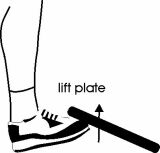
  2. Heel lift in the shoe
  3. Stretching properly
  4. Better shock absorption in the shoe, and/or a shoe to correct the overpronation (obtain biomechanical analysis on a treadmill at a specialty running shoe store that offers to start)
  5. An anti-inflammatory (ice, ibuprofen) (relieves and/or masks the pain so start with the above first and foremost)

Exercises for Achilles Tendonitis

Do 3 sets of each for 20-30 sec hold on the stretch and balance
Injury Prevention

Shin Splints

What is Shin Splints?

It is inflammation of the muscle attachments and interosseous membranes of the tibia (shin bone) on the front of the lower leg. The symptoms you experience is soreness along the inside of the shin, pain at the beginning of the run, gets better during the run, sore afterwards.

Causes?

There are several things that can cause shin splints. The following would/could contribute to the injury:

  1. Overtraining
  2. Overpronation of the feet
  3. Weak Tibialis Anterior (front of shin)
  4. Old shoes
  5. Running on concrete/asphalt
  6. Tight Achilles tendon

Treatment

In order to combat the pain and train properly, treating the cause of the problem is important. Ou may have to try multiple modalities until you find the culprit!

  1. Strengthening exercises for anterior lower leg muscles (see Exercises Below)
  2. Footwear to correct overpronation, better shock absorption
  3. Run on softer surfaces,
  4. An anti-inflammatory, ice
  5. Stretching of the calf muscle and Achilles Tendon

Exercises to Strengthen Those Muscles

Do these 3 sets, light weight or resistance band, for 12-15reps only; 2-3 times a week

OR

You can walk on your heels around the house for 1 minute at a time 2-3 times a week as well to strengthen the anterior tibialis muscle

Injury Prevention

RUNNING INJURIES: The Big 5

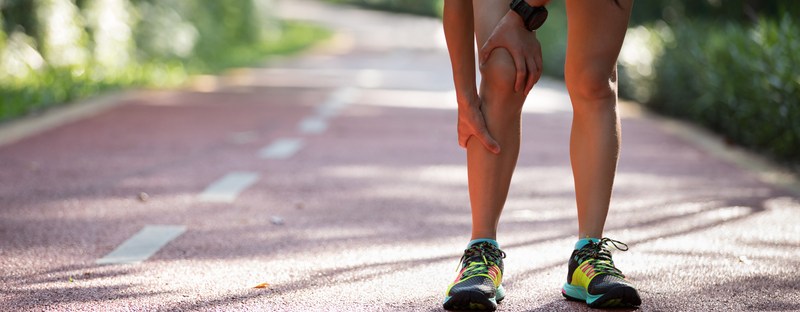
There have been several times in the past few years (not in my 20s) that running injuries have slowed my training. I have always been on top of my shoe wear but other things can cause injury. All of the “big 5” most common running injuries are overuse injuries. The most common running injuries we see is typically the following: Achilles Tendonitis, Plantar Fasciitis, Iliotibial Band Syndrome, Shin Splints, and Patellofemoral Pain Syndrome

They can be prevented through the following:

  • Ease into increasing- Don’t increase your weekly mileage by more than 10% a week. This allows the body to adapt to new training levels.
  • Allow for rest- Your body needs time to recover. This rest phase is actually when our muscles get stronger. Not allowing for enough rest leads to continual muscle breakdown.
  • Softer is better! If you are preparing for a 5K or other race there is no substitute for outdoor running. However, constantly pounding on concrete leads to
  • increased stress on the muscles and joints and compounds the risk for chronic tissue trauma. The more you can run on the asphalt (5 times softer than
  • concrete), packed dirt, or gravel, the better. Also, throwing in a couple of treadmill runs or track workouts a week is a nice way to give your body a break from the impact.
  • Running too much uphill or downhill can lead to various overuse strains such as Achilles tendonitis (uphill) or extra stress in the knees (downhill). If you add a hill workout to your schedule make sure you ease into it and stretch your calves really well afterwards. On the week you add hills DO NOT also add mileage. In the same vein, if you add a speed workout do not also increase mileage. Make sure you are comfortably sustaining 15 miles a week before adding any “quality” workout.
  • Shoes make the runner- Have a professional do a gait analysis to make sure you are getting the right amount of support and fit for your foot type. Running shoes last between 350-450 miles depending on running style, weight, and the surfaces on which you run.

Exercise

Breathing 101: Running and Beyond

I have recently started to train for my StrongFirst Kettlebell Certification with an instructor and I hear her constantly tell me about my “biomechanical breathing” with each exercise. I have been teaching runners for several years, all distances, and one of the early on lectures I give to them is “find a beat with your feet when you run, using your breathing pattern.” I am sure that all my students recall this lecture and running class. The basic premise of breathing should feel like the following:

  • Always Exhale on Exertion
  • Always Inhale on Relaxation

During exercise, two of the important organs of the body come into action: the heart and the lungs. The lungs bring oxygen into the body, to provide energy, and remove carbon dioxide, the waste product created when you produce energy. The heart pumps the oxygen to the muscles that are doing the exercise. When you exercise and your muscles work harder, your body uses more oxygen and produces more carbon dioxide. To offset this extra demand, your breathing has to increase from about 15 times a minute (12 liters of air) when you are resting, up to about 40–60 times a minute (100 liters of air) during exercise. Your circulation will speed up to take the oxygen to the muscles so that they can keep moving. The diaphragm is a dome-shaped muscle beneath the lungs. When you inhale, it flattens and moves downward, pressing against the abdominal organs so the lungs can expand. This gives you the best “bang for your breath” and it is called, diaphragmatic breathing. If you were to place one hand on your stomach and another on your chest. The majority of the breathing motion should be felt near the stomach, not the upper chest, during everyday life and especially during exercise.

Breathing When You Run

I teach a very simple way to find what is comfortable for you, but reminding yourself to breath. When you begin running, many times you can hear your feet make a beat (ie: Stomp, Stomp, or Stomp-Shuffle, Stomp, etc,) and then once you hear what your feet sound like when you are starting out, match your breathing pattern to that beat with your feet. For example, I do the following, right leg land-breath out shallow, left leg land – breath out shallow, right leg land – long breath in, left leg land – still breathing in….sounds complicated perhaps, but I take one breath for every two foot strikes, which is called 2:2 rhythm.

  • Synchronizing the breath to running cadence will keep the organs from putting unnecessary pressure on the diaphragm, which can impede breathing

Nose or Mouth?

There are studies that support both but what you should really do is teste it out and see what works best for you. Some people have small nasal passages, with enlarged turbinates within the nasal passage, making it difficult to breathe through the nose only. Other people have no issues breathing through the nose, so they can keep their mouth closed. My preference is to breath in my nose and out my mouth. Just make sure you are breathing out on exertion and in on relaxation.

              Quick Points

  • Breathing in through the nose can also help warm the air entering the lungs
  • If cold weather and you can’t breathe well through your nose, stick the tip of your tongue to the top of your palate and allow the air to move around the tongue to help humidify the air and reduce the ‘burn in your lungs”
  • Just BREATHE 😊
Exercise

Foam Rolling Basics

What is a Foam Roller/Rolling?

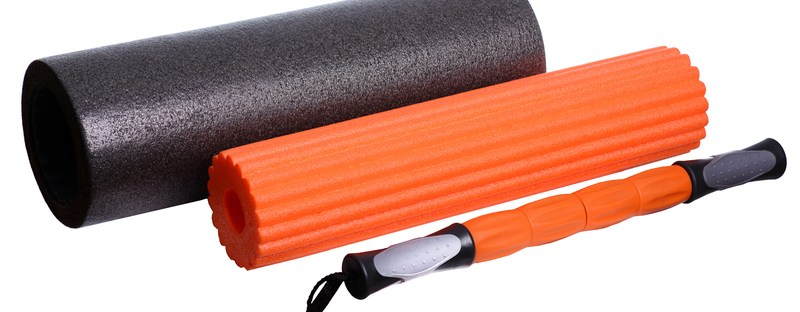
A foam roller is cylindrical in shape, and available in various sizes and densities (ie. medium, firm), the roller is positioned between the ground and the muscles to be treated. The idea is that you literally roll the muscles over the foam-roller at an even tempo, back and forth, and work on any tightness – at your own pace and in your own time. Foam-rolling is often referred to as a form of ‘self-myofascial release therapy’. Fascia, or myofascia, is the dense, tough tissue that surrounds and covers all of your muscles and bones. Foam-rolling is a form of self-manual therapy which aims to reduce myofascial tightness.

What are the Benefits of Foam Rolling?

Foam Rolling is used by many for the following reasons that have been shown in research (keep in mind a PubMed search with leaner criteria than normal for me only gave me 40 papers, then from those I picked out about 11 to create this post)

  • Increased flexibility, including increased range-of-motion (ROM)1-4
  • Improved short-term athletic performance, when included as part of the warm-up routine5-8
  • Improved recovery post-activity, through reducing the experience of delayed-onset-of-muscular-soreness (DOMS)8-10

What is the Optimal Protocol to Maintain the Benefits?

After reviewing the current body of research, the following protocol is suggested for potentially optimal results:

  • 3-5 sets of 20-30 second repetitions
  • 3-5 times per week, performed on a consistent basis, to achieve and retain the long-term effects on flexibility.

I prefer a little less time, which is the suggestion on the video I posted with 3-5 sec, counting “1-Missippi, 2-Missippo, etc” for 5-10 repetitions just because that seems to work for me best.

Risks to Foam Rolling

              I would be doing you in justice if I did not mention the risks of foam rolling. With that said, here are the following basics to make sure you are aware of since foam rollers are intended to be used over muscles only:

  • You should never roll over a bony joint. Applying pressure here could result in hyper-extension of your joints. It’s good to get close to the attachment of the joints, but best not to go over them.
  • Avoid rolling your lower back, as it can create too much pressure on your vertebra, causing the muscles here to stiffen up to protect your lower back.
  • Don’t roll for too long. You don’t want to cause further inflammation by over doing the rolling. Follow the above-mentioned program for best results.

IT Band and the Foam Roller

IT Band, or iliotibial band, is a thick tendon that runs along the outside of the thigh from the hip to the knee. Your glutes and tensor fascia latte (TFL), connect to the IT Band, and together help to move the hip and stabilize the knee. Studies have shown so far that it probably can’t be permanently deformed.  While it may be stretched in the short term this is due to its viscoelastic properties, the IT Band cannot actually permanently be lengthened with stretching.  Actual lengthening would require you to damage your IT Band to get it into a lengthened state (ie: surgical lengthening). Studies have shown 5 minutes on a foam roller or 10 minutes of daily stretching would not be able to permanent lengthening.11  The best idea is to foam roll the muscles that surround the IT band, particularly the quads, hamstrings and glutes. The IT band may be forced to compensate and pick up the slack if these muscles aren’t functioning properly. The result is an overworked and inflamed IT band—one that’s more likely to cause problems. Foam rolling the areas around the IT band helps the muscles and tendons. Studies show that you can roll of the IT Band but not for long, consider on 5-8sec, 1-3 reps, on each side only, and AFTER rolling the glutes, quads, and TFL areas.

Best Type of Foam Roller

              I do not support any 1 particular product brand (unless a brand wants to show me otherwise) but make sure of the following:

  • Foam rollers with a smaller diameter are also helpful for elderly patients who need to be closer to the ground for stability.
  • Half-round foam rollers are a good choice for an elderly person or someone with little strength or muscle tone
  • Select a 12-inch (30 cm) round roller if you intend to transport your roller often (I have a 12inch and a 36 inch- which you saw in the video)
  • A lower density foam roller is great for beginners (usually the white foam rollers)
  • A foam roller with a dimpled surface will give a deeper massage to trigger points in the muscles. This type of roller is great for parts of the body that are prone to muscle tightness, like the back and shoulders. FYI – Can be painful and he 3-5sec rule may be best to follow at first, like I teach on my videos

Precaution and Learning

              If you are not sure how to start, which roller to start with, or simply want help at first, then consult with a healthcare provider to help you in the beginning! There is nothing wrong with asking first and then trying it out. I ask all the time how to do something properly if I don’t know how to do or use something.

References:

  1. Jay, K., Sundstrup, E., Søndergaard, S. D., Behm, D., Brandt, M., Særvoll, C. A., & Andersen, L. L. (2014). Specific and cross over effects of massage for muscle soreness: randomized controlled trial. International journal of sports physical therapy, 9(1), 82-91.
  2. Cheatham SW, Kolber MJ, Cain M, Lee M. The effects of self-myofascial release using a foam roller or roller massager on joint range of motion, muscle recovery, and performance: a systematic review. Int J Sports Phys Ther. 2015 Nov;10(6):827-38.
  3. Halperin, I., Aboodarda, S. J., Button, D. C., Andersen, L. L., & Behm, D. G. (2014). Roller massager improves range of motion of plantar flexor muscles without subsequent decreases in force parameters. International journal of sports physical therapy, 9(1), 92.
  4. MacDonald, G. Z., Penney, M. D., Mullaley, M. E., Cuconato, A. L., Drake, C. D., Behm, D. G., & Button, D. C. (2013). An acute bout of self-myofascial release increases range of motion without a subsequent decrease in muscle activation or force. The Journal of Strength & Conditioning Research, 27(3), 812-821.
  5. Cramer JT, Housh TJ, Weir JP, Johnson GO, Coburn JW, Beck TW (2005). The acute effects of static stretching on peak torque, mean power output, electromyography, and mechanomyography. Eur J Appl Physiol.;93(5- 6):530–9.
  6. Cramer JT, Housh TJ, Coburn JW, Beck TW, Johnson GO (2006). Acute effects of static stretching on maximal eccentric torque production in women. J Strength Cond Res.;20(2):354–8.
  7. Behm DG, Bambury A, Cahill F, Power K (2004). Effect of acute static stretching on force, balance, reaction time, and movement time. Med Sci Sports Exerc. Aug; 36(8):1397–402.
  8. Healey, K. C., Hatfield, D. L., Blanpied, P., Dorfman, L. R., & Riebe, D. (2014). The effects of myofascial release with foam rolling on performance. The Journal of Strength & Conditioning Research, 28(1), 61-68.
  9. Peacock CA, Krein DD, Silver TA, Sanders GJ, VON Carlowitz KA (2014). An Acute Bout of Self-Myofascial Release in the Form of Foam Rolling Improves Performance Testing. Int J Exerc Sci.,1;7(3):202-211.
  10. Pearcey, G.E., Bradbury-Squires, D.J., Kawamoto, J.E., Drinkwater, E.J., Behm, D.G., and Button, D.C. (2015). Foam rolling for delayed-onset muscle soreness and recovery of dynamic performance measures. Journal of Athletic Training, 50(1): 5-15.
  11. Hall M, Chadwick Smith J. THE EFFECTS OF AN ACUTE BOUT OF FOAM ROLLING ON HIP RANGE OF MOTION ON DIFFERENT TISSUES. Int J Sports Phys Ther. 2018;13(4):652-660.
Exercise

The Art of Indoor Cycling

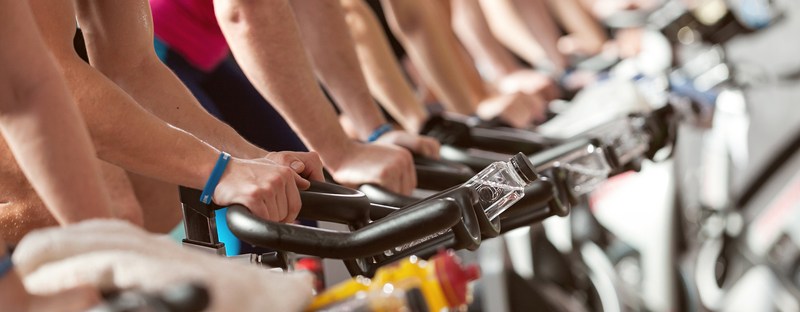
There is more to indoor cycling than just jumping on the bike and pedaling. It is a fantastic workout! I can take a class through a great leg workout, which includes those glutes, as well as a cardio workout. However, there are several things to consider prior to just jumping on the bike!

Posture and Proper Set-up Prior to Starting a Ride

Align your upper body properly to start with on the bike. Your spine should be straight, not rounded or slumped (make sure your handlebars are high enough so you don’t feel neck or back strain). Your shoulders should be relaxed and down (meaning: they should not be at your ears). Keep a slight bend in your elbows as you ride and keep your elbows in line with your wrists and your knees (no chicken-winging allowed). If you are good at angles, then aim for about 15 degrees of elbow bend. Try not to bend your wrists too much, to avoid placing unnecessary strain on them, and don’t grip the handlebars too tightly.

The placement of your bottom should be proper as well. This will help that soreness you may experience at the first couple of classes. Place your butt on the widest part of the saddle. Hinge forward at the hips and engage your abdominal muscles as you reach for the handlebars. Your knees should be aligned with your hips and your feet, whether you’re riding in a seated or in a standing position; if they flare out to the side, your seat position may need to be adjusted. If your butt is uncomfortable or sore after your workout, your positioning may be incorrect. Ask your instructor for some assistance before class if you are having issues. If you feel pain in the back of your knee, then you may need to lower the seat. If you feel pain the front of your knee, then consider raising the seat. The knee should have a 5-degree bend when the leg is fully extended down.

During Your Ride

Keep your weight on the pedals. That means stabilizing your weight in your hips so that your knees stay over the center of the pedals. Don’t lean on the handlebars when you’re seated or standing; off-loading your weight this way cheats you of some of the benefits you’d get from maintaining an upright posture and it places excessive stress on the wrists and forearms. (When you’re in a standing position, you should feel the nose of the saddle brushing against the back of your upper thighs.) Also, avoid using hand position three while riding in the saddle—a taboo move! If your instructor does it, then let them, but I wouldn’t do it!

Keep your feet flat. It’s a mistake to point your toes as you pedal because this engages the wrong muscles. Instead, press through each pedal stroke with a flat foot, driving from the ball of your foot, to reduce pressure on your knees and strain on your quads. Similarly, pull up from your knees and toes on the upstroke. This will engage the hamstrings and glutes for a nice leg workout. It is more efficient way to use your muscles too.

Hold your head up. If you let your head flop or fall forward as you ride, you’ll set yourself up for neck strain—and partially impair the flow of blood and oxygen to your head, which can cause lightheadedness or dizziness. Keeping your head in line with your neck and spine helps ensure proper breathing and a steady flow of oxygen to your brain, which can help you feel good and maximize your performance. An indoor cycling class is hard enough without increasing your chances of feeling winded unnecessarily.  And I can’t stress enough – lose grip on the handle bars…..of you are sore in the forearms, upper body the next day, chances are you gripped the handle bars too tight.

After You Ride

Make sure to keep spinning the legs for 1-2 minutes to slow down the heart rate properly. If you wear biking shoes, be sure to unclip them while standing, so you don’t put unnecessary pressure on your hips and knees. Then take 4-6 minutes (I make my class do a full song) to stretch the upper and lower body. Give your major muscle groups a good stretch after class.

Uncategorized

Protein: What is the Hype and What Type?

Protein! What is the Hype and What Type?

WHAT IS A HIGH-QUALITY PROTEIN?

A high-quality protein = 3 Things

  1. Protein digestibility (i.e. “Can your body break it down?”)
  2. Amino acid content (i.e. “What’s really inside the protein?”)
  3. The resulting amino acid availability to support metabolic function (i.e. “Will your body be able to use those amino acids the way you want it to?”)

The process of digesting food begins in your mouth when you chew. But protein is unique in that your body’s digestion of it truly begins in the stomach and continues into the small intestine. Within those organs digestive enzymes and other components break down intact proteins into smaller chains of amino acids, the building blocks of protein. Before a chain can be absorbed into your bloodstream, it must be shortened into individual amino acids and put into an “amino acid pool.” Only then, when these amino acids hit the bloodstream, can they be transported and do all the good for your body. Your body can turn to this pool and take the exact amino acids it needs to create a larger protein molecule required for one function — such as building muscle or helping with the quality of your skin.

HIGH-QUALITY PROTEIN SOURCES

The following are top sources of protein:

Dairy products; milk, whey powders, cheese and cottage cheese, yogurt

Eggs

Seafood and fish

Beef

Chicken

Bison

Pork

Pea Protein

Soybeans

Blended meals (beans and rice)

Vegan protein powders with multiple protein sources

AMINO ACIDS: WHY YOU NEED THEM IN YOUR LIFE

Every source of protein has a different amino acid profile. These amino acids are a big determinant of whether or not a protein is high-quality. Your body can produce many amino acids on its own. But there are some it can’t make. Which is the following:

histidine

isoleucine

leucine

lysine

methionine

phenylalanine

threonine

tryptophan

valine

These are the “essential amino acids,” and you must get them through your diet only. Any food that contains all nine essential amino acids is known as a “complete protein sources.”

Nearly all animal proteins are highly bioavailable and complete protein sources (the body can use them efficiently and effectively and contain all the essential amino acids). This includes dairy, which supplies many of the amino acids, including a high amount of leucine. However, if you are like me and eat vegetarian mostly then there is still ways to get what is needed, which I explain latter.

While collagen and bone broths are popular for their potential to support joint health and other tissue function within the body, collagen protein is high in only 3 amino acids (glycine, proline, and hydroxyproline). Bone broths may deliver health benefits, but they alone won’t help with muscle building or fat loss (or satisfy your body’s amino acid requirements, unless you add chicken or beef to the broth). I am sure I will upset a few people with that information but knowledge is power.

WHAT ABOUT PLANT PROTEIN?

Conversely, most plant sources have an amino acid profile that differs drastically from that of humans. Many plant proteins are low in various essential amino acids, especially leucine. This is important because leucine plays a critical role in turning on muscle protein synthesis (MPS), which is key for building and repairing muscle tissue. The big exceptions are soy and select sources of pea protein (like pea protein isolate). These vegetarian sources contain all, or nearly all, of the essential amino acids you require. Outside of those sources, most plant-based proteins are not complete. All this means is that consuming one lone source of plant protein cannot support body growth and maintenance. But if you combine different plant protein sources, then you can receive adequate amounts of all nine essential amino acids.

Examples of complementary proteins include combining legumes and grains, such as red beans and rice, or vegetables and legumes, as you’d find in a 9-bean vegetable soup. When you eat complementary proteins, the combined sources equal a complete protein source. You don’t have to do this at the same meal. Your body will store the amino acids as they come in, and then resynthesize proteins as it needs by pulling from body cells and blood supplies later. So, even if you had rice at breakfast and beans at dinner, you’re covered. Often, you need to eat more plant-based protein to get the equivalent amount of amino acids that you would from a smaller amount of animal protein, which is why supplemental plant protein powders can be so effective for those who follow a vegan, vegetarian, or plant-based diet.

RECOMMENDATIONS VARY – SO CHECK IT OUT

Check out the table above I created to find the recommended protein intake by various, reliable sources for all types. Often I have people come to me asking how to “build muscle” after seeing a decline with age. Remember, our muscles atrophy (shrink) as we age for various reasons, so adding better protein sources, along with the recommended amount, help us retain and build muscle to keep us lean and tone. The same goes for those who may be sick with hypermetabolic syndromes, such as cancer patients, burn victims, HIV patients, or any major process that is occurring that requires energy to repair your body and use those essential amino acids to repair skin, build muscle, retain muscle, etc.

Uncategorized

Bad Shoulders? Can’t Bench Press Anymore? The Importance of the Rotator Cuff Muscles

As a Certified Athletic Trainer and a Certified Physician Assistant in Orthopedics, I get asked a lot of questions about the shoulders. It is common for me to hear someone say, “I can’t do a bench press anymore because I have bad shoulders.” Is this you?

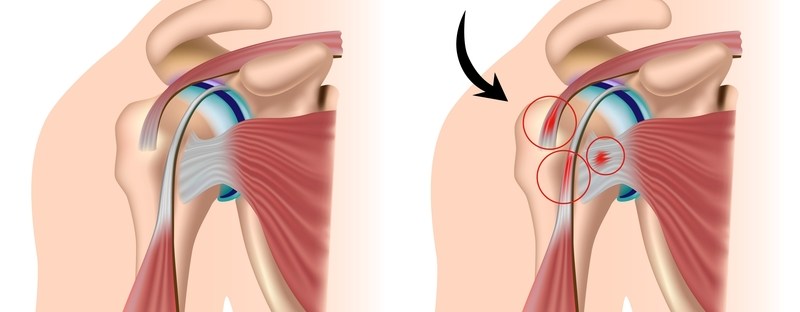
Rotator cuff impingement syndrome (RCIS) is a multifactorial disease that can lead to functional limitations and an inability to participate in work, leisure, and sporting activities. This syndrome can be caused by many factors, such as weakness of the rotator cuff and periscapular muscles, decreased pectoral and rotator cuff muscle flexibility, abnormal motion patterns, extrinsic factors (eg, vibration exposure, use of hand tools, workstation height), and trauma. 

Well, guess what?? If you want those lovely shoulder muscles to have muscle definition then you have to have a strong rotator cuff!

What is the Rotator Cuff Muscle Group?

The rotator cuff is a group of four muscles that come together as tendons to form a covering around the head of the humerus. The rotator cuff attaches the humerus to the shoulder blade and helps to lift and rotate your arm.1 Basically, the rotator cuff helps to keep your arm in the shoulder joint properly.

How Do You Properly Strengthen the Rotator Cuff?

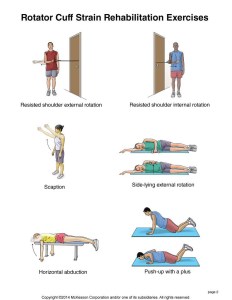
With Resistance Bands at Home: Attach light to medium resistance tubing (lighter than you would think to be honest) to a door hinge, then stand with your left side to it, grasping the handle of the tubing with your right hand. Bend right arm at a 45-degree angle to your side (your elbow is at your hip and your forearm is at a 90-degree angle in a handshake position), then rotate your arm at the elbow, pulling the tubing out towards the right side without pulling your upper arm away from your body—like a door opening on a hinge. Next, stand with your right side towards the door hinge. With your right arm bent at a 45-degree angle next to your side, grasp the handle of the tubing with your right hand and rotate your arm at the elbow, pulling the handle in towards the center of your body. Repeat 10 to 12 times on each side, alternating sides for each set. Figure Below 1

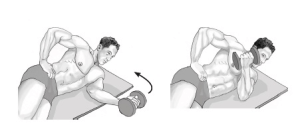
With Dumbbells at Home/Gym:  Internal Rotation: Hold a dumbbell in one hand (again lighter weight, 2-5 lbs is sufficient to start). Lie on a bench close to edge on side with dumbbell in hand. Position elbow on edge of bench against side of body with elbow bent approximately 90°. Position legs on bench for support. While maintaining 90° bend in elbow, lower dumbbell away from body until slight stretch is felt in shoulder. Lift dumbbell toward body by internally rotating shoulder until forearm is across belly. Continue with opposite arm. External Rotation: Next, stand or sit with dumbbell positioned out to side of head; bend elbow, shoulder height with dumbbell above elbow. Then lower dumbbell forward by rotating shoulder. Return and repeat. Continue with opposite arm. Remember, throughout the movement, keep bent elbow (approximately 90°) out to side, shoulder height. Figure Below 2

References:

  1. Armstrong, A. D., & Athwal, G. (n.d.). Our knowledge of orthopaedics. Your best health. Retrieved from https://orthoinfo.aaos.org/en/diseases–conditions/rotator-cuff-tears/
  2. Summit Medical Group Web Site. (n.d.). Retrieved December 1, 2018, from https://www.summitmedicalgroup.com/library/adult_health/sma_rotator_cuff_injury_exercises/#&gid=1&pid=1
  3. Rotator Cuff Exercises. (n.d.). Retrieved December 1, 2018, from https://www.google.com/search?biw=1280&bih=561&tbm=isch&sa=1&ei=TR4DXMb0KoSIgge_m6hI&q=dumbbell external rotation and internal rotation &oq=dumbbell external rotation and internal rotation &gs_l=img.3…36101.39985..40413…0.0..0.79.1133.20……1….1..gws-wiz-img…….0i30j0i5i30j0i8i30j35i39.l11W_1CkHnk#imgrc=4CCnZjzNxI2-BM:


 Figure 1

 Figure 2

Uncategorized

Meal Prepping – It’s OKAY if You Don’t Meal Prep

This is not a brief article about HOW to meal prep…I have said that I am not giving “meal prepping” tips if I am not an “expert” on the topic, which I am not at all. With that said, I am simply going to provide you with your options and that it is OKAY if you DON’T meal prep weekly. So let us start with my meal prepping experience…

My Experience with Meal Prepping

I did the research, bought some meal prepping books at the bookstore, bought the food, came home on a Sunday afternoon to start my meal prepping for a committed six weeks. I enjoyed having my meals ready for the week, both my lunch and dinner, along with my snacks, but with my BUSY schedule, in and out of the operating room, seeing patients, etc. I had no time to eat what I had prepped in the first place ☹ I found most of the time I wasted the food, stuck it in the freezer, and/or only had the dinner I had prepped for the week. Secondly, the AMOUNT OF TIME I had to take on that Sunday was not worth my only two days to relax from work and my usual schedule. After I had prepped all the food, I had to clean ALL THE MESS…omg…I hated taking the hour to clean the kitchen. By the end of the meal prep process, at least for me, it took 4 hours out of my day. Time is precious. In my case, it was not worth the hassle. In the end, I had maintained my same weight and fitness, but wasted time, money, and food. HOWEVER, I have decent self-control when it comes to food. I still did not put processed foods in my system, ate the meals when I could, and if I didn’t eat, then I didn’t overindulge. I stuck to the food I had in front of me only. For a lot of people (and I know because I was one of those people for a long time) it is hard to have self-control when you are hungry!

What You Can Do

Your options are vast and honestly the best option is to try it all until you find the one that works best for you! I have done this in order to even write this article. Start with what is your goal and which option would give you the best outcome. I wanted to make sure that on busy days I am not stuffing my pie hole with empty calories. Listed below are options for you to try:

  1. Meal Prep Service that makes it and delivers it to you (google for your options where you live)
  2. Do It Yourself Meal Prep ( look for books, Pintrest, google, etc for ideas)
    1. Pick Two Days to Meal Prep (Sunday/Wednesday)
    2. Buy Meal Prep Containers for the food you make
    3. Search for Ideas (there are a ton and I am not married to one website, book, etc over another)
  3. Ingredient-and-recipe meal kit service ( ie: Blue Apron, HelloFresh, etc)
    1. Many offer special dietary options now
  4. Wellness Systems to Stay Balanced
    1. Isagenix, Shakeology, etc
    2. Choose one that you like best and maybe do one to two meal replacements along with 1-2 “portion controlled” meals from one of the above-mentioned methods
  5. Mix and Match the Above-Mentioned Options

Conclusion

Want to hear what I do??? I have can say without a doubt I have tried it all…meal prepping, macro counting, meal prep service, no carb after a certain time, low carbs, carb cycling, keto, etc. I will tell you but it doesn’t mean it works for EVERYONE! My schedule can be crazy, with 4:30/5am workouts and 7am OR starts, or late nights in operating room or clinic, and no lunch breaks, my eating can get out of hand quickly. In order to keep myself in check and not have to meal prep, I like to combine two options mentioned above, Isagenix and Blue Apron, along with wholesome snacks 2-3 times a day. My day would look like this:

Breakfast: Isagenix shake (sometimes I throw cereal in it for crunch)

Snack: 2 hardboiled eggs

Lunch: Isagenix shake

Snack: Yogurt

Snack: Cottage Cheese/Nuts

Dinner: Blue Apron Meal of choice ( I like to create out of their 6 options, 3 meals that meet my needs, such as a fish meal, a vegetarian meal, and a low carb meal)

Late night snack if hungry again: Protein shake/Isagenix Chocolate

As I said, try everything and see what works best for you and your goals. Please don’t listen to articles that claim “this is the only way to lose weight and be fit.” The reality is that as long as you are watching your intake in general and eating wholesome meals then you will see yourself feel and look better. I don’t think I need to state the obvious that eating habits that are high in processed foods and sugars are not ideal. We have been hearing this for a long time. In order to get on a healthy eating lifestyle pick an option that works for your schedule! Last but not least….don’t feel pressured into thinking you have to stick to only one thing to make it work. Many times people have asked me why I don’t like meal prepping and for me, that 1 hour of cooking or more and 2 hour clean up on a day off or late night after work is not worth it to me…WORK SMARTER, NOT HARDER 😊

Exercise, Uncategorized

What Is the Best Running Form?

After my last post I had several people want to write about running form. I have been asked as a running coach time and time again, “how do you run?” It might seem odd to some to think there is a “ideal running form” but having proper biomechanics helps! Running starts with practicing your form so that you are more efficient by using muscles groups appropriately, while resting others. So here is the quick and dirty on running form from head to toe! Below is referenced from Runner’s World Author in 2005, JANE UNGER HAHN with a little added tip or two from myself.

Head – How you hold your head is key to overall posture, which determines how efficiently you run. Let your gaze guide you. Look ahead naturally, not down at your feet, and scan the horizon. I like to focus on powerlines out in front of me or tree lines/streetlamps. This will straighten your neck and back and bring them into alignment. Don’t allow your chin to jut out.

Shoulders – Shoulders play an important role in keeping your upper body relaxed while you run, which is critical to maintaining efficient running posture. For optimum performance, your shoulders should be low and loose, not high and tight. As you tire on a run, don’t let them creep up toward your ears. If they do, shake them out to release the tension. I will literally drop my arms and shake them out! Your shoulders also need to remain level and shouldn’t dip from side to side with each stride.

Arms – Even though running is primarily a lower-body activity, your arms aren’t just along for the ride. Your hands control the tension in your upper body, while your arm swing works in conjunction with your leg stride to drive you forward. Keep your hands in an unclenched fist, with your fingers lightly touching your palms. Imagine yourself trying to carry a potato chip in each hand without crushing it (I use to make some of my runners carry potato chips and not crush them). Your arms should swing mostly forward and back, not across your body, between waist and lower-chest level. Your elbows should be bent at about a 90-degree angle. When you feel your fists clenching or your forearms tensing, drop your arms to your sides and shake them out for a few seconds to release the tension.  Basically, like putting something in your pockets!

Torso – The position of your torso while running is affected by the position of your head and shoulders. With your head up and looking ahead and your shoulders low and loose, your torso and back naturally straighten to allow you to run in an efficient, upright position that promotes optimal lung capacity and stride length. Many track coaches describe this ideal torso position as “running tall” and it means you need to stretch yourself up to your full height with your back comfortably straight. If you start to slouch during a run, take a deep breath and feel yourself naturally straighten. As you exhale simply maintain that upright position.

Hips – Your hips are your center of gravity, so they’re key to good running posture. The proper position of your torso while running helps to ensure your hips will also be in the ideal position. With your torso and back comfortably upright and straight, your hips naturally fall into proper alignment–pointing you straight ahead. If you allow your torso to hunch over or lean too far forward during a run, your pelvis will tilt forward as well, which can put pressure on your lower back and throw the rest of your lower body out of alignment. When trying to gauge the position of your hips, think of your pelvis as a bowl filled with marbles, then try not to spill the marbles by tilting the bowl.

Legs/Stride – While sprinters need to lift their knees high to achieve maximum leg power, distance runners don’t need such an exaggerated knee lift–it’s simply too hard to sustain for any length of time. Instead, efficient endurance running requires just a slight knee lift, a quick leg turnover, and a short stride. Together, these will facilitate fluid forward movement instead of diverting (and wasting) energy. When running with the proper stride length, your feet should land directly underneath your body. As your foot strikes the ground, your knee should be slightly flexed so that it can bend naturally on impact. REMEMBER, running midfoot to toe is better for longer distance than trying to run on your toes constantly. If your lower leg (below the knee) extends out in front of your body, your stride is too long.

Ankles/Feet To run well, you need to push off the ground with maximum force. With each step, your foot should hit the ground lightly–landing between your heel and midfoot–then quickly roll forward. Keep your ankle flexed as your foot rolls forward to create more force for push-off. As you roll onto your toes, try to spring off the ground. You should feel your calf muscles propelling you forward on each step. Your feet should not slap loudly as they hit the ground. Good running is springy and quiet.

Breathing – The most difficult part is something I say to each class — Make a beat with your feet and breathe to the rhythm. Don’t be too loud on your feet and still follow the proper form above but try to over-exaggerate at first until you find that rhythm with breathing. I have people try multiple ways to see how the breathing works best. For instance, try for every step, one breath in and one out, or two in and two out, or two in and one long breath out.


Let me know how it goes!

Exercise

Get The Most Out of Your Time With Different Types of Running Techniques to Improve Speed and Distance

Easy (Aerobic) Run:

This should be 2-3 min slower than your normal race pace per mile.  This is the type of workout that would be used to increase your aerobic (lung and heart) endurance and help to increase mileage. A person would not push too hard, so you should be able to carry on a light (very light) conversation but add extra miles to the run for that day. Side Note– This would be ideal with a group of friends, any time of the day, well hydrated, and choose to eat if it works for you. I don’t eat before running. Other people I have coached for races prefer to eat prior. The time to eat would be about 30-60 minutes prior to activity and nothing too high in fiber or fat, so your digestive system isn’t miserable while you are running!

Race Pace:

This is self-explanatory, but for the heck of it, it is the run that you do that is the same pace per mile as you would do for a race.  For most people, this means pushing yourself a little more, to the point of no conversation.  This type of training is utilized during the week for increasing your lactate threshold (Lactate threshold is defined as the intensity of exercise at which lactate begins to accumulate in the blood at a faster rate than it can be removed) to a certain extent, while still improving your aerobic capacity. Side Note– You might hate this one before and during (I admit I loathe it), but after you feel amazing (“runner’s high” typically experienced). Each time will get easier as well! You might not want friends with you on this one, unless you find them motivating?? (or you just want to secretly beat them without them knowing 😊

Tempo Run:

A tempo run is a fast, no conversation type of run that pushes you to the next limit. It helps anaerobic, aerobic, and your lactate threshold.  A person should incorporate these types of workouts at least once a week.  It helps to increase speed as well.  Most people say that a tempo run should be 20-30 seconds slower than your race pace per mile; however, some people argue that it should be 20-30 seconds faster than race pace per mile. Tempo runs help increase your VO2Max (your body’s ability to take in oxygen and use it to make energy in the muscle). Continued use of tempo runs signals your body to make more capillaries in the muscle. More capillaries means more oxygenated blood getting to the muscle. The distance of tempo runs can vary, but 4-8 miles is a good range. If you’re new to tempos, start with a shorter distance and work your way up! Side Note– Again, it is hard to make yourself do these but after you will be happy you did, especially after 3-4 weeks of training and you see the difference, both in your running workouts and possible toned legs, abs, and overall body image!

Hill Sprints (Fartlek Training-Swedish for “speed play”):

This type of workout helps to push you in a more even anaerobic and aerobic workout. The uphill is a sprint, utilizing the anaerobic capacity and increasing leg endurance, while the downhill is increasing your recovery time, aerobically, while allowing the legs to recover. The downhill can be a walk to an easy jog. This kind of workout can be as long as you want it, as long as a person is not slowing down or losing energy during the workout. Side Note – Live in Florida like me?? Great News!! By training through summer, we are simulating the effects of running at altitude. Running “at altitude,” or at elevations generally higher than 5,000 feet above sea level, is much harder because there’s not as much oxygen in the air. At altitudes higher than 5,000 feet (like Denver, CO), your cardiovascular system must work harder to run the same pace that would normally have been easier for you at sea level. There’s simply less oxygen in the air and your heart must beat faster to pump more blood to your working muscles. After you acclimatize to higher elevations, your body produces more red blood cells. These cells transport oxygen to your muscles. Heat training can provide similar benefits. Running when it’s hot and humid won’t force your body to produce more red blood cells, but a host of other biochemical changes occur that make you more efficient! Woot-Woot!

Anaerobic Intervals:

This is strictly an anaerobic workout, which helps to increase speed and muscular endurance. When times are limited during the week, either a hill sprint or an interval workout will suffice.  With these types of workouts, a person would want to do 2 -2.5 min bouts of sprints, followed by a 1-2 min walk or jog, and no longer than 20-30 minutes.  It is a fantastic way to change things up and “trick” your body during training for speed. Side Note – Hit the Track!  A simple workout à Ladder Workout is my fave to start with the first couple of times. Warm-up 1 mile, 200m, 60-90min recovery walk/jog, 400m, then recovery, 600m, then recovery, 800m, recovery, 1000m then recovery, then back down the “ladder”, repeating 1000m, then 800m, 600m, 400m, 200m, with recovery between each sprint 😉 Enjoy!

All of these workouts come together to help build an overall improvement for speed, endurance, strength, and recovery. You must have all of them to be balanced and hopefully reduce injury! I enjoy 3-4 running workouts like this a week, since I prefer running and enjoy racing, not just lifting! On other days for cardio I do cycling, walking, rowing, and stair stepper at the gym. And as always, you should consult your primary care provider prior to starting a workout regimen, to make sure all is safe! Happy Running!